Showing posts with label Hormones. Show all posts

Tuesday, December 18, 2012

Female Hormone Balancing Testimonial

Female Hormone Testimonial 


“Hi, my name is Deirdra,
I started working with Michael Ruscio, Dr. Ruscio, probably about 4 months ago. My symptoms before were that of depression. I was moody all the time, low energy levels, could never get up in the morning. It would literally take a lot of coffee to get me up in the morning. My hormones were just off the charts. Energy levels up and down just kind of crazy actually.
I started seeing Michael. I was referred to him by a friend and he put me on this program that I've been doing the last four to five months. All these tests that we’ve done, all these things that he’s put me on are all organic and all natural medicine. I’ve noticed a huge difference in myself. My energy levels are what they used to be like when I was a younger teen and my moods are definitely a lot more stable. I don’t have an issue getting up in the morning. I get up at 6am every morning and run. I’m training for a marathon right now.
I owe it all to Dr. Ruscio. He’s helped me so much. I feel so grateful to be where I am right now… in the past… I thought it was depression. It wasn’t. It wasn’t depression. It was an imbalance inside of me that we together, him and I, have worked to balance out. That’s where I am today and I’d recommend this program to anyone out there who has felt the same way that I’ve just explained I felt.”

Phone:  (925) 705-7454

Tuesday, July 17, 2012

Got PMS? Stress could be robbing your body of progesterone

PMS-low-progesterone-pregnenolone steal
It’s the time of the month that so many women dread, the PMS days. For some, premenstrual syndrome is simply an irritating inconvenience, but for others it is a cause of extreme suffering. Yet because it is so common, many women don’t take PMS seriously, even though the effect on their lives is serious indeed.
Common or not, PMS, especially the extreme variety, is not normal or healthy. It is a sign that the delicate balance of female hormones is all out of whack. PMS symptoms may be a signal that the body is experiencing a progesterone deficiency due to chronic stress.
Symptoms of low progesterone include:
  • Mood swings
  • Depression
  • Insomnia
  • Changes in weight or appetite
  • Crying easily
  • Irritability
  • Lack of concentration
  • Anxiety
  • Fatigue
  • Frequent or irregular menstruation
  • Low sex drive
  • Migraines

Natural remedies for PMS

Instead of reaching for the progesterone cream at your local supplement store, it’s safer to first address the underlying causes of low progesterone. For many women, progesterone levels take a beating because of chronic stress. Every time you experience stress, your body responds with cortisol, an adrenal stress hormone that works to keep the body in balance.
But in these fast-paced times, we experience stress so frequently that the body’s demand for cortisol is constantly high. To keep up with demand, the body borrows the materials needed to make reproductive hormones, including progesterone, and makes cortisol instead. This is called “pregnenolone steal,” when the body steals pregnenolone needed for other hormones to keep pace with the demands of stress.
Factors that can cause chronic stress:
  • Sugar and sweeteners, too many starchy foods (rice, pasta, bread, etc.), and excess caffeine
  • Food intolerances (gluten, dairy, eggs, soy, corn, nuts, grains, etc.)
  • Gut problems (gas, bloating, indigestion, heartburn, diarrhea, constipation, stomach pain, etc.)
  • Lack of sleep
  • Chronic inflammation (joint pain, muscle pain, skin rashes and disorders, brain fog, fatigue, etc.)
  • Autoimmune disease (such as Hashimoto’s hypothyroidism)
  • Overdoing it; pushing yourself without breaks or enough rest
  • Poor nutrition

Restoring hormonal balance naturally

Many times, the best way to reduce symptoms of PMS is to stop the pregnenolone steal, thereby allowing the body to make enough of its own progesterone. Strategies for stopping pregnenolone steal include an anti-inflammatory diet, which eases the body’s burden of stress. You may also need to work on restoring gut health, taming chronic inflammation, or managing your autoimmune disease appropriately, approaches that benefit from the guidance of an experienced practitioner.

Nutrients to ease PMS

Basic nutritional support can sometimes ease the symptoms of PMS. For instance, are you getting enough omega 3 fatty acids and gamma-linoleic acid (GLA)? You may find that supplementing with a high-quality emulsified fish oil or krill oil is helpful, especially if you add one of the GLAs—evening primrose oil, borage oil, or black currant oil—as well.
Supporting serotonin, your brain’s feel-good neurotransmitter, may also alleviate symptoms when you’re premenstrual. Compounds that support serotonin activity include tryptophan, 5-HTP, St. John’s Wort, and SAMe. Other nutrients that may offer additional support include magnesium, B6, and vitamin D3.
Ask my office for natural therapies to alleviate PMS and support healthy hormonal balance.
Important note: If you are taking an antidepressant, do NOT embark upon a serotonin support regimen without the guidance of your physician.

Tuesday, June 12, 2012

Type A person with adrenal fatigue? Here's what to do

2 6 type a person with adrenal fatigue

Are you the kind of person who races through life at a 100 miles an hour? Is your motto, “Plenty of time for rest in the grave”? Do caffeine and energy drinks fuel your waking hours? If so, you may be setting yourself up for a crash of epic proportions.

Many people today suffer from adrenal fatigue, a condition in which the body’s adrenal glands do not make sufficient hormones in response to stress. A huge fight with your spouse or a giant afternoon soda are both stressors to which your adrenal glands must respond. However, when you call on their services too frequently, as many Americans do, you risk causing adrenal fatigue.

We typically associate adrenal fatigue with chronic tiredness, but Type A people—those who are prone to impatience, aggression, ambition, and competitiveness—may be moving too fast to realize they suffer from adrenal fatigue.

Common symptoms of adrenal fatigue

  • Feel exhausted often; Type A’s typically push through this
  • Feel overwhelmed, constantly stressed out
  • Crave sweets, salty foods, and caffeine or nicotine
  • Crash around 3 or 4 p.m.
  • Feel more awake and energetic in the evening
  • Poor sleep patterns
  • Difficulty waking in the morning
  • Slow to recover from illness, injuries, wounds, or exercise
  • Frequently sick
  • Assailed by allergies
  • Hormonal imbalances
  • Lightheaded or blacking out momentarily when rising from a seated or reclining position
  • Shaky, lightheaded, and/or irritable when going too long without food

The epic crash: when adrenal fatigue wins out

Sure, you can push through adrenal fatigue. Athletes do it routinely; overtraining often causes adrenal fatigue. That doesn’t change the fact that adrenal fatigue depletes your immune system, hormone function, and brain health. What the Type A person most fears losing is productivity, and nothing stops productivity like an adrenal crash.

Adrenal fatigue means that any major stressor—accident, major illness, divorce, death of a loved one—can cause an epic crash. The consequences of such a crash can include chronic fatigue, autoimmune illness, a harrowing transition into menopause, or some other chronic health disorder. Recovery can be a very long, slow road.

Lasting health requires major lifestyle changes. The most challenging thing for Type A patients with adrenal fatigue is that the moment they start feeling a little better, they crank up the pace, which puts them right back where they started. Although racing around frantically may feel productive, the truth is you can accomplish more, make fewer mistakes, and irritate fewer people when you operate with better adrenal health. You don’t have to sacrifice your competitive edge to act with more purpose, deliberation, and forethought, all hallmarks of a more relaxed, adrenal-friendly approach.

Overcoming adrenal fatigue is a multi-pronged approach that includes:

  • Removing dietary stressors: sugars, caffeine, junk foods, excess carbs, and food intolerances
  • Addressing any lingering health imbalances: hormonal, immune system, or gut
  • Exercising regularly, but not over exercising
  • Working with your practitioner to use customized nutritional therapy to support your adrenal health

Tuesday, May 29, 2012

So just how stressed out are you? An adrenal saliva test can show you

adrenal-exhaustion-chronic-stress-adrenal-saliva-test

It’s a constant refrain: We’re too stressed out. But how stressed out are we really? An adrenal saliva test can tell you whether your cortisol (the stress hormone) is too high or too low, whether your circadian rhythm (the sleep-wake cycle) is normal, and also pin point the cause of your symptoms: adrenal fatigue or high adrenal hormones.

Symptoms of adrenal fatigue

  • Fatigue
  • Slow to get going in the morning
  • Energy crash in the afternoon
  • Craving sweets, caffeine, or nicotine
  • Unstable behavior; moodiness
  • Shaky, light-headed, or irritable if meals are delayed
  • Inability to stay asleep
  • Dizziness when moving from sitting to standing

Symptoms of high adrenal hormones

  • Excess belly fat
  • Insulin resistance (high blood sugar)
  • Insomnia
  • Not feeling rested in the morning
  • Women grow facial hair; men grow breasts
  • PCOS in women (polycystic ovarian syndrome).

How to do the adrenal saliva test

The adrenal saliva test requires you to collect a small vial of saliva several times throughout the day. Adrenal stress is always caused by something else, such as unstable blood sugar, a chronic infection, or an autoimmune disease. So the importance of the adrenal saliva test is that it allows us to track the progress of a protocol.

One test is a good place to start, but the second and third tests tell us if we’re on the right track with a protocol; adrenal health should improve as conditions resolve. If things do not improve, it means we must dig deeper to find out what is taxing the body.

Measuring the circadian rhythm

An abnormal sleep-wake cycle, or circadian rhythm, is one symptom of adrenal stress. A normal circadian rhythm shows high cortisol in the morning and low cortisol at night. This makes us alert when we wake up and tired before bed. For many, this rhythm is backwards, causing fatigue in the morning and insomnia at night. In addition, instead of the usual gradual decline throughout the day, cortisol may suddenly drop in the afternoon, causing an energy crash.

The stages of stress

By measuring circadian rhythm, precursor hormones (DHEA and 17 hydroxyprogesterone), and cortisol levels, the adrenal saliva test can tell you whether you are in the “alarm reaction” of high adrenal hormones, in adrenal exhaustion, or somewhere in between. Contrary to popular belief, one does not necessarily progress from alarm reaction to adrenal fatigue; adrenal function can jump around between phases, or stay in one phase for years.

The adrenal saliva test also measures total SIgA (secretory antibodies). SIgA levels measure the impact of stress on the immune system. When SIgA is low, it means a person is more susceptible to food intolerances, infections, and other assaults on the immune system.

A variety of herbal and nutritional compounds can profoundly influence adrenal function, but they are not the first line of defense. You and your doctor must first ferret out what is causing your adrenal stress and make addressing that a priority. Only then is adrenal support appropriate.

Ask my office how you can support your adrenal health.

Thursday, October 20, 2011


The 21st Century Woman - Part I

Mood swings, anxiety, depression, hot flashes, bloating and low libido… sound familiar?  PMS and menopausal symptoms have become part of our culture.  Why is this?  Why are so many women affected with these issues?  It really boils down to hormonal imbalances.  The trick is figuring out what is causing these hormonal imbalances.  One thing is for certain though; it is not a deficiency in Prozac, Zoloft, Celexa or Lexapro.  Unfortunately, lifestyle and Natural Medicine options are not readily offered to the 21st Century Woman.  Many women used to get symptomatic relief from hormone replacement therapy.  Then with some of the research findings from the Women’s Health Initiative (one of the largest studies ever to evaluate the safety of hormone replacement therapy for women), women stopped using hormones.  The Women’s Health Initiative found that synthetic hormones derived from horse urine left patients at an increased risk for cancer, heart attack and stroke.  The travesty of this is that the media did not clarify that there are other options to synthetic hormones.  For example, bio-identical hormones (identical to what your body makes) and herbs, can both be safely used to help women feel better.  Key concept: synthetic hormones are vastly different from bio-identical hormones and herbal remedies. 

So what about birth control for symptomatic relief?  According to the National Cancer Institute birth control may increase your risk of heart disease and breast cancer.  Birth control is generally in the form of synthetic hormones.  While improvements have been made in synthetic hormones since the Women’s Health Initiative findings, not all the problems have been worked out.  Additionally, your brain controls and monitors levels of hormones in your body.  There is a delicate control loop between your brain and ovaries which is damaged from using birth control.  If you’re taking birth control solely
for symptomatic relief, then you may want to seriously consider finding a cause-based care plan. 

Back to the causes of PMS and menopausal symptoms.  Diet of course plays an important role.  For women who are willing to have a chicken salad instead of chicken salad sandwich for lunch you might find near complete relief from diet and nutrition alone.  All you may need is the guidance of someone who knows how to use nutrition clinically. 

Toxins are another pervasive issue.  The reason women should be concerned about toxins is because many toxins function as estrogens in the body.  Pesticides, fertilizers, plastics and household chemicals have all been proven, in a plethora of studies, to function as estrogens in the body and have been correlated with cancer of the breast and brain, depression, anxiety, obesity, infertility and thyroid problems just to name a few.    

So does this mean that every woman with PMS and menopausal symptoms has to be on a diet of wheat grass and rice cakes, and live in a bubble devoid of toxins?  No.  Of course not.  However, for ideal results a patient would want to eat healthier to feel better, practice toxin avoidance, do some detox work and use some herbal medicine if needed.  Although, even for the woman who isn’t willing to make any changes, there are options.  Try an herbal medicine before going on birth control or an anti-depressant (which can have serious side effects).  This is not to say medications are bad, they have their time and place.  Key Concept: medications (including synthetic hormones) should be the last choice after diet/lifestyle, nutritional medicine, herbal medicine and bio-identical hormone replacement are tried. 

We are now realizing that health isn’t something a doctor does to you.  Health is something you participate in with your doctor or health professional.  With this in mind, it is my goal to help educate people so that they are empowered to take control of their health.    I invite you to attend one of my public lectures or watch one of my upcoming videos where I review new scientific research and discuss how we can implement this new information in order move from a dogmatic, symptom and pharmaceutical based model towards that of a patient centered, cause-focused, participation based approach.  Upcoming topics include: women’s health, diabetes, toxins, gluten allergies and high blood pressure.  I hope to see you there. 

For more info visit www.DrRuscio.com  or email @ office@DrRuscio.com 


Sunday, September 18, 2011


The 21st Century Woman – Part II
Herbal Medicines for PMS and Menopause
By Dr. Michael Ruscio

Many women have heard about anti-depressants or birth control for their PMS and menopausal symptoms, but what about natural herbal alternatives?  Let’s take a moment to discuss what herbal medicines have to offer the 21st century woman so that you are aware of all your options.  

In my last article we laid a good foundation, discussing the most common causes of female hormone imbalances.  If you didn’t read the article, the main premise was PMS and menopausal symptoms are usually caused by hormonal imbalances.  Building on this foundation, let’s continue with natural treatments. 

We first need to break down female hormone imbalances as causing two different categories of symptoms; neurological and physical.  Of course the mental and physical symptoms are linked and do influence one another, but to help understand natural treatments it helps to discuss them separately.  


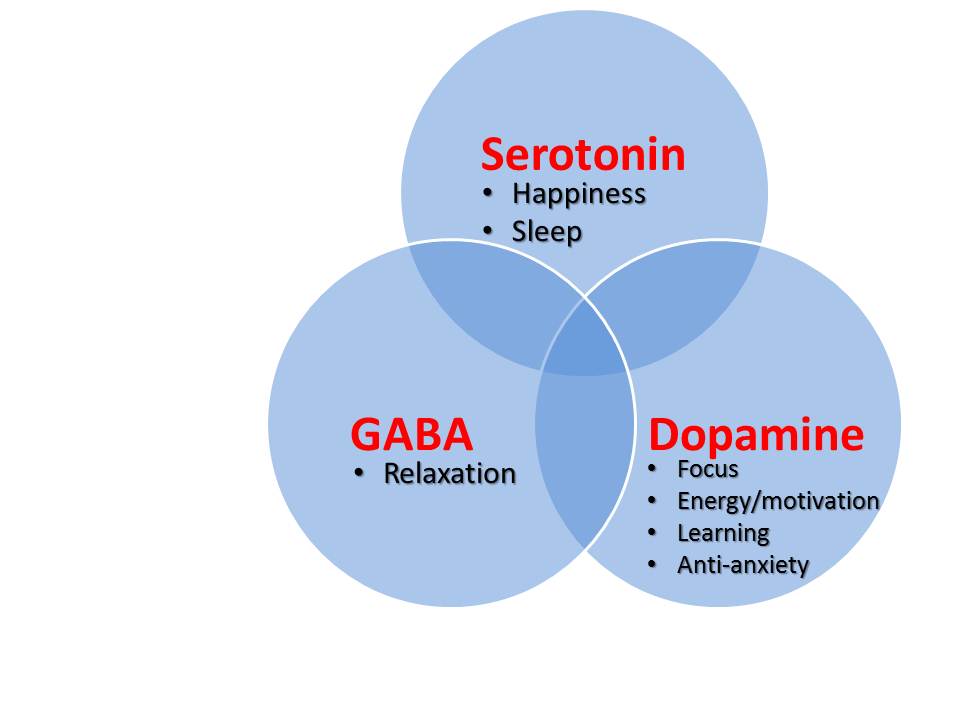
Neurological symptoms typically result from an imbalance in brain hormones, technically known as neurotransmitters.  There are 3 hormones that are of importance.  They are serotonin, dopamine and GABA.  Serotonin makes you feel happy and helps you sleep. Dopamine helps you focus, be energized/motivated, learn and not feel overwhelmed. GABA helps you relax.  Most anti-depressant and anti-anxiety medications work to increase serotonin, dopamine and GABA.  


Natural medicines and conventional pharmaceutical drugs can both increase serotonin, dopamine and GABA.  However, natural medicines may provide a safer alternative as the side effects are usually mild to none. Please don’t take my word for it though; we will discuss what current science is showing in a moment. 

Before we do, let’s address the physical symptoms associated with PMS and menopause.  Most physical symptoms are caused by fluctuations or imbalances in estrogen and progesterone. Estrogen and progesterone share a yin-yang relationship, meaning they have to be in the proper balance relative to one another for a woman to feel well.  The beauty of herbal medicines is that they can restore your hormones to the appropriate level whether they are high or low.  This is referred to as a process called adaptogenicity.  Let’s take a brief look at what modern science is showing. 

For all of the following scientific research studies I will provide an ID number.  If you would like to see this study yourself, simply go to www.pubmed.com and type the ID number in the search box.

A very well performed study (17461529) found that combining the herbs Black Cohosh and St. John’s Wort provided significant relief for menopausal symptoms, especially hot flashes.  Shortly after this study, another was published (15863547) showing that in the 304 women studied, Black Cohosh was again an effective treatment for menopausal symptoms. 

Another very effective herb is Chaste Tree (aka Vitex Agnus).  A study published in 2010 (20334585) showed that Chaste Tree was effective for treating PMS symptoms.  In fact, all measured PMS symptoms (mood, water retention, food cravings and pain) were significantly reduced within 3 months of treatment.  Another study of 170 women (11159568) showed a similar positive effect on PMS with Chaste Tree. 

If you’re asking yourself, aren’t drugs more powerful?  You might find this interesting.  A study comparing an anti-depressant medication to Chaste Tree (aka vitex agnus) showed nearly identical improvements in PMS symptoms (12672170).  Let’s not forget about intimacy.  A review of 26 published studies showed DHEA provided mood and libido improvements for women with adrenal fatigue (17208951). 

Herbal medicines have much to offer the 21st century woman.  One word of caution though, please be careful not to self-diagnose and treat.  A skilled clinician can ensure proper use of herbal medicines, especially when it comes to navigating issues of quality control and dose. 
If PMS or menopausal symptoms are bothering you, there is help.  Invest the time and energy to feel better.  Your family, friends, loved ones, and especially You deserve to have the healthiest, happiest version of you. 

For more info, visit Dr. Ruscio’s youtube page, www.youtube.com/michaelruscio, view his recent newsletter, http://conta.cc/oxAiNR, or emailDrRuscio@movepastyourpain.com.   Dr. Michael Ruscio is the director of Functional Medicine at Johnson Chiropractic Group, 115 Town & Country Dr., Suite E in Danville.  925.743.8210